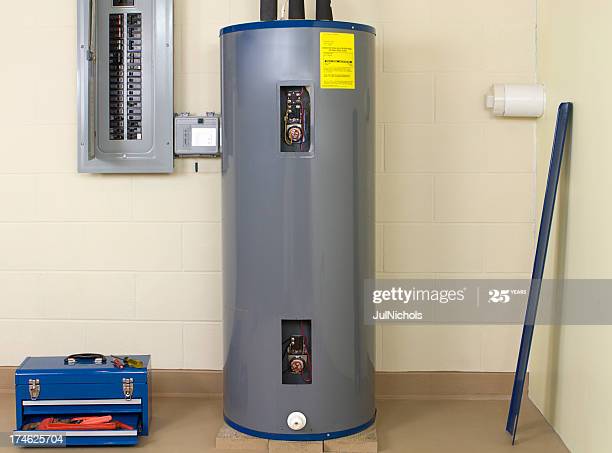
A big percentage of the household energy bill comes because of the gas water heater. This is a very significant experience that can go throughout. You can find a lot of different types of gears water heaters available in the market. If you are able to determine which machine is right for your home and fulfil your need, this could save you a lot of money in terms of energy bills. So before choosing a gas water heater, you should consider the following aspects to get the right machine for your home.
Fuel type:
Natural gas heaters are very popular because they use natural gas for heating water which is a lot cheaper than propane, electricity, and solar energy. Another good thing about gas is that most of the cities and towns have a convenient gas pipeline throughout. But there are some homes that have electric and propane water heaters because they don’t have a natural gas outlet available. If you find yourself in this situation and you have a gas stove in your house, then it is a good idea to extend the gas line to your water heater as well.
Size:
In order to meet the household needs for hot water, you must have a properly sized heater in your house. If you have a heater that is too small, it will not be enough to provide the hot water, and you will have to take the cold shower in the morning. On the other hand, if the heater in your house is too big, it will cost you a lot in terms of energy bills and maintenance. So how do you find out what size you should have at your home? You can search online and find different calculations according to your typical water use and the amount of hot water the gas heater can produce in an hour.
Energy Efficiency:
This aspect is based on the heater itself. Generally, when we talk about the most energy-efficient models, they are also the most expensive ones. But you don’t have to fool yourself with the high prices thinking that you are wasting your money. In fact, when you buy an expensive gas water heater which is highly efficient, it will pay you off by saving money e on your monthly bills when cutting down the energy cost.