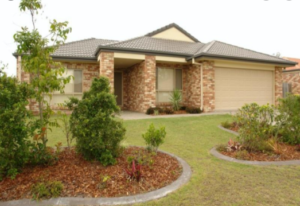
Buying your first home in North Carolina can be an exciting yet overwhelming experience. With a mix of charming towns, thriving cities, and picturesque rural areas, the state offers something for every buyer. However, navigating the housing market, understanding financing options, and avoiding common pitfalls requires careful planning and smart strategies tailored to first-time buyers.
This guide provides a comprehensive blueprint to help first-time homebuyers in North Carolina make informed, confident decisions and successfully secure their dream home.
Understanding the North Carolina Housing Market
North Carolina’s housing market varies widely by region. Cities like Charlotte, Raleigh, and Durham have competitive markets with high demand, while smaller towns and rural areas may offer more affordable options. Understanding local market trends, property values, and neighborhood amenities is critical for first-time buyers.
Key Tips:
- Research housing prices in your desired area.
- Track market trends to identify when prices are favorable.
- Consider future growth potential and neighborhood development.
Step 1: Assess Your Financial Health
Before starting the homebuying journey, evaluate your financial situation:
- Credit Score: A higher credit score can secure better mortgage rates. Aim for at least 620 for conventional loans.
- Debt-to-Income Ratio: Lenders prefer a DTI under 43%.
- Savings: Budget for a down payment (typically 3–20%), closing costs, and emergency funds.
Step 2: Explore First-Time Homebuyer Programs in North Carolina
North Carolina offers several programs to help first-time buyers:
- NC Home Advantage Mortgage™ – Offers low interest rates and down payment assistance.
- Community Partners Loan Pool (CPLP) – Provides flexible financing for eligible buyers.
- USDA, FHA, and VA Loans – Government-backed loans for qualified buyers.
These programs can reduce upfront costs and make homeownership more accessible.
Step 3: Get Pre-Approved for a Mortgage
Pre-approval is a crucial step for serious buyers. It demonstrates to sellers that you are financially capable and allows you to set a realistic budget. Work with lenders who understand North Carolina’s first-time buyer programs to maximize your options.
Step 4: Find the Right Real Estate Agent
A knowledgeable real estate agent can save time, money, and stress. Look for agents familiar with the North Carolina market who specialize in helping first-time buyers. They can guide you through negotiations, inspections, and paperwork.
Step 5: Start Your Home Search Strategically
When searching for a home, consider:
- Location: proximity to work, schools, and amenities
- Type of property: single-family, townhouse, or condo
- Future growth: resale value potential
Use online tools, local listings, and agent insights to narrow down options efficiently.
Step 6: Make an Offer and Negotiate
Once you find your ideal property:
- Submit a competitive offer based on comparable sales.
- Be prepared to negotiate on price, repairs, and contingencies.
- Include contingencies for inspections and financing to protect your interests.
A skilled agent can guide you through this process to maximize value and reduce risk.
Step 7: Inspection and Appraisal
After your offer is accepted, conduct a home inspection to identify potential issues, and ensure an appraisal confirms the property’s value. Address any concerns with the seller before closing.
Step 8: Closing the Deal
Closing involves signing documents, paying closing costs, and transferring ownership. Be prepared with required funds, identification, and documents. Once complete, you officially become a homeowner.
Additional Tips for Smart First-Time Buyers
- Budget Wisely: Include utilities, maintenance, property taxes, and insurance in your monthly budget.
- Plan for the Future: Consider long-term goals and potential resale value.
- Stay Educated: Attend workshops or seminars to learn about North Carolina real estate.
FAQs About First-Time Home Buying in North Carolina
Q1: How much do I need for a down payment?
It depends on the loan type, ranging from 3% (NC Home Advantage) to 20% for conventional loans.
Q2: Can I buy a home with student loans?
Yes, but lenders consider your debt-to-income ratio to ensure affordability.
Q3: Are there tax benefits for first-time buyers in NC?
Yes, certain mortgage interest deductions and programs can provide savings.
Q4: How long does the buying process take?
From pre-approval to closing, it typically takes 30–60 days, but it can vary based on market conditions.
Q5: Where can I learn more about first-time home buying?
Programs like How to Buy a House Class offer expert guidance and workshops specifically for first-time buyers in North Carolina.
Conclusion
Buying your first home in North Carolina is an exciting journey, but it requires planning, education, and strategic decision-making. By understanding the market, leveraging first-time buyer programs, and following a structured blueprint, you can make informed choices, minimize risks, and successfully achieve homeownership.
With the right preparation and professional guidance, first-time buyers can enjoy a smooth experience and secure a home that fits both their lifestyle and financial goals.