


The construction industry is a vast and complex field that requires a multitude of professionals to ensure the success of any project. Among these experts are geotechnical engineers, who play a crucial role in determining the suitability and stability of the ground on which structures are built. In this post, we will delve into the fascinating world of geotechnical services in Auckland, examining their importance in construction projects and exploring the various techniques employed by these specialists.
The Importance of Geotechnical Services
Geotechnical services involve the study of soil and rock mechanics, groundwater conditions, and other subsurface factors that can influence the design, construction, and performance of structures. By understanding these elements, engineers can provide valuable insights and recommendations to architects, structural engineers, and contractors, helping them make informed decisions about the most suitable construction methods, materials, and designs for a given site.
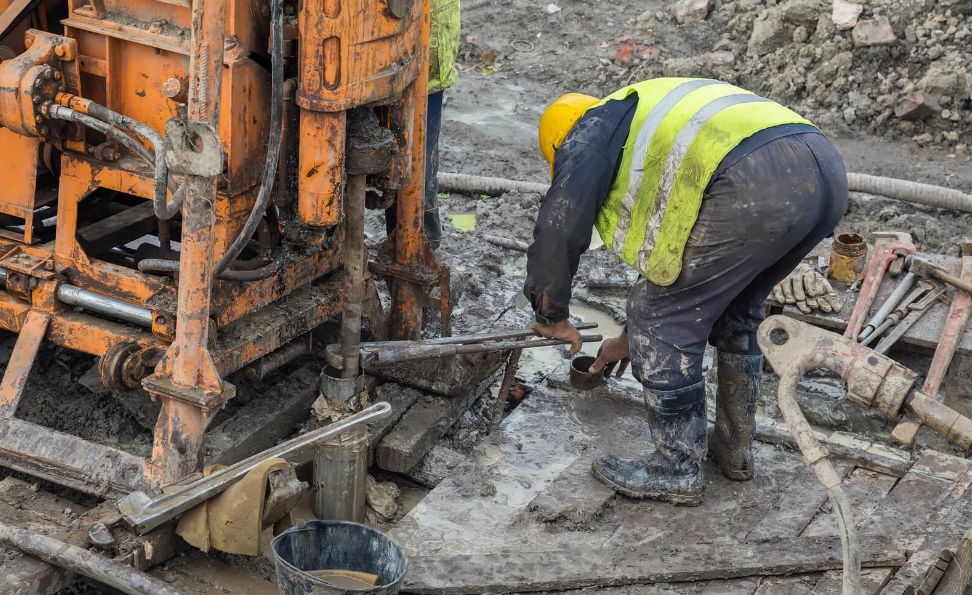
Techniques Utilized by Geotechnical Engineers
Soil and Rock Sampling
One of the primary tasks of such engineers is to collect samples of soil and rock from a construction site. These samples are then subjected to laboratory tests to determine their physical and mechanical properties, such as density, moisture content, shear strength, and compressibility. The results of these tests help engineers assess the bearing capacity, settlement potential, and overall stability of the site.
In-situ Testing
In addition to laboratory testing, geotechnical engineers also perform in-situ tests, which are conducted directly at the construction site. These tests provide valuable information about the soil’s behaviour under various conditions and can help identify potential issues such as liquefaction, slope instability, or soil settlement. Some common in-situ tests include the Standard Penetration Test (SPT), Cone Penetration Test (CPT), and Pressuremeter Test (PMT).
Geophysical Surveys
Geophysical surveys are non-invasive methods used to investigate the subsurface conditions of a site. They involve the use of specialized equipment to measure various physical properties of the ground, such as electrical resistivity, seismic waves, or magnetic fields. Geophysical surveys can provide valuable information on the depth and nature of bedrock, the presence of groundwater, and the location of faults or other geological features that may impact the stability of a construction project.
Conclusion
By understanding the properties and behaviour of soil and rock, geotechnical services in Auckland can help architects, structural engineers, and contractors make informed decisions about the design, construction, and maintenance of structures, ensuring their safety, stability, and longevity.


